Postdoctoral Researcher · Charles University, Prague
Halil Mert Solak, PhD
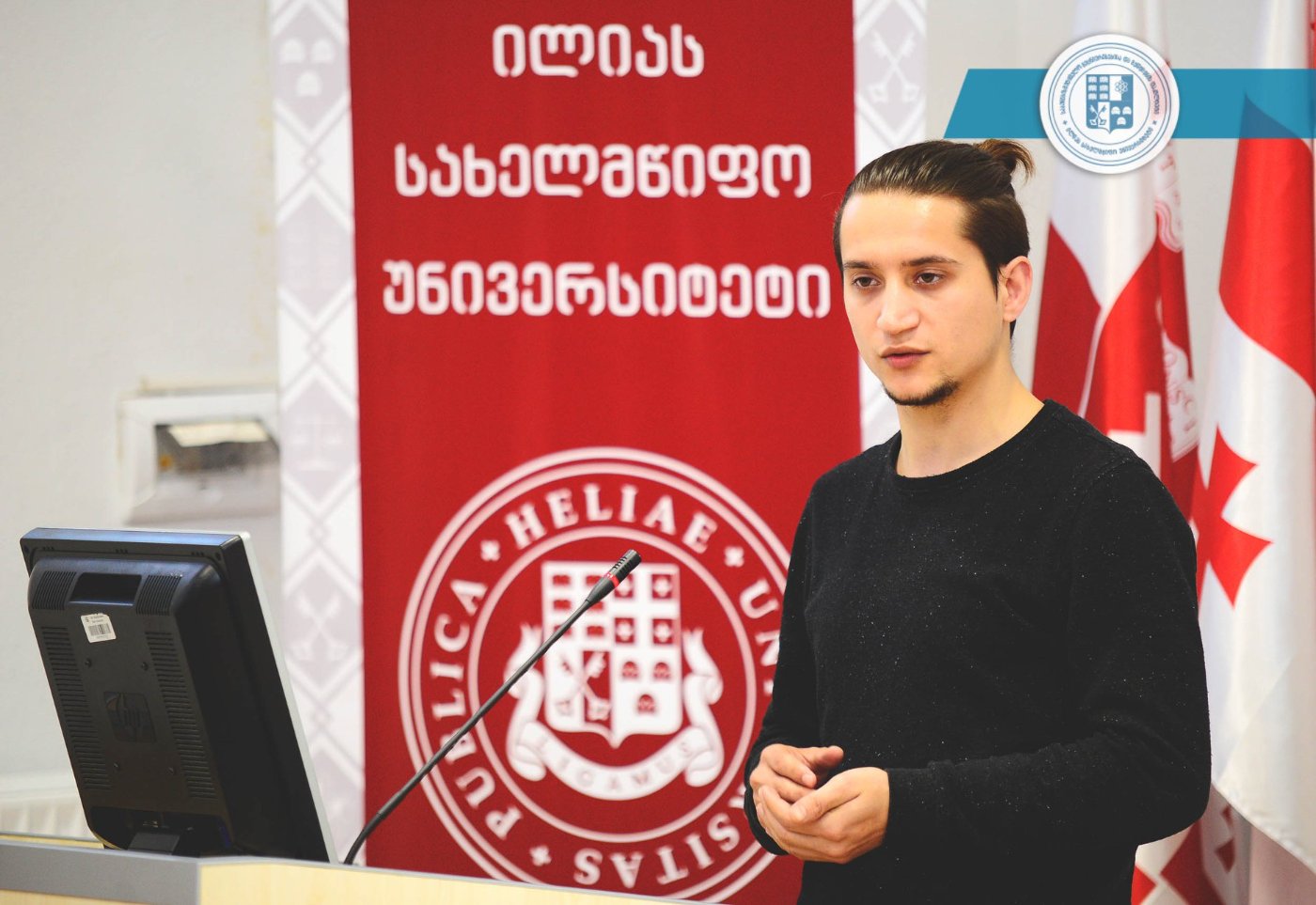
Presenting my MSc study. Ilia State University, Georgia, 2019.
I am a postdoctoral researcher in the Department of Zoology at Charles University, Prague, studying how diet and the gut microbiome shape the ecology and diversification of wild animals. I combine fieldwork with large-scale metabarcoding (16S and 18S rRNA) and statistical modelling to link host ecology, genetics and microbial communities.
My current work follows two systems: the adaptive radiation of murine rodents in Papua New Guinea, where I ask how dietary niche partitioning and microbial shifts accompany diversification; and sympatric Darevskia lizards, where I compare the microbiota of a parthenogenetic species with its sexual ancestor.
During my MSc and PhD at Zonguldak Bülent Ecevit University, I studied adaptation to high altitude in Anatolian blind mole rats, integrating population genetics, innate immunity, diet and the gut microbiome.
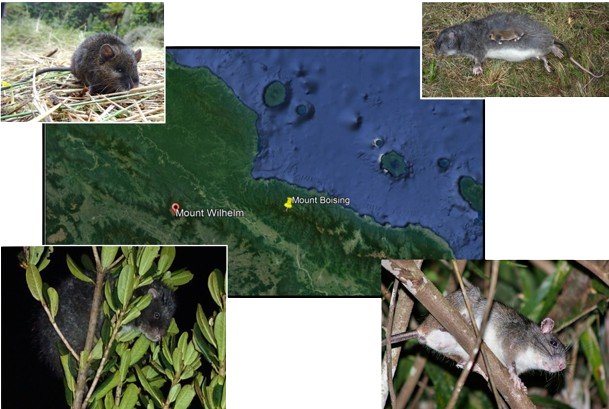
How do ecological opportunity and incumbency shape diversification? I compare the diets and gut microbiota of two waves of murine rodents that colonized New Guinea, the Hydromyini and the Rattini, across steep altitudinal gradients.
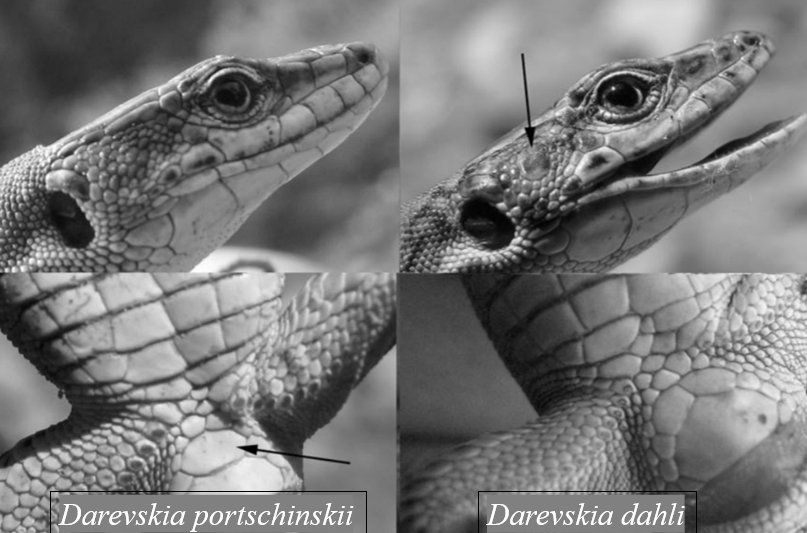
Rock lizards of the genus Darevskia offer a natural laboratory: I compare the gut microbiota of the parthenogenetic D. dahli with its sympatric paternal ancestor D. portschinskii to see how host genome architecture shapes the microbiome.
Our new manuscript entitled "Adaptive radiation, incumbency and local ecological context drive dietary niches in New Guinean rodents", submitted to Molecular Ecology, received a minor revision!